Amsterdam Heritage, premium leather goods
Free shipping on orders over $75  •  30-day free exchanges  •  Founded in Amsterdam, 2016
Leather, honestly explained

Why Some Belts Crack — and Others Age Better

Not all leather belts are made the same way. The type of leather, the way the strap is made and the finishing all influence how a belt wears over time. Some belts may crack, peel or separate; others soften, darken and develop character with wear. Here is a closer look at what makes the difference, and what to look for when choosing your next belt.

The short version

  • Leather belts can be made from different types of leather and in different ways.
  • The materials and the way a belt is made can affect how it wears and ages.
  • Terms such as full-grain, split and bonded leather describe very different materials.
  • The full-grain belts featured here are made from solid leather straps designed to develop character with wear.
  • A few simple details can help you recognize a well-made belt before you buy.
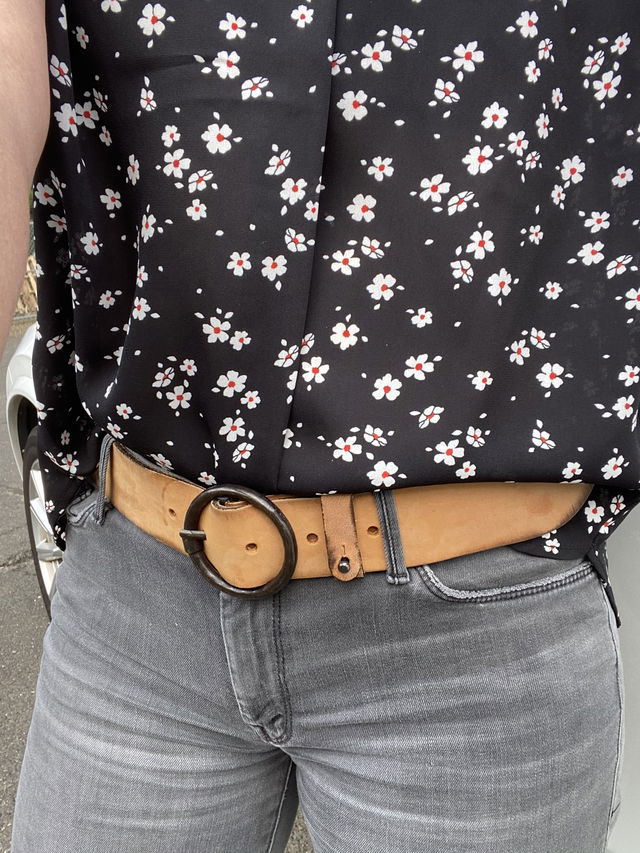
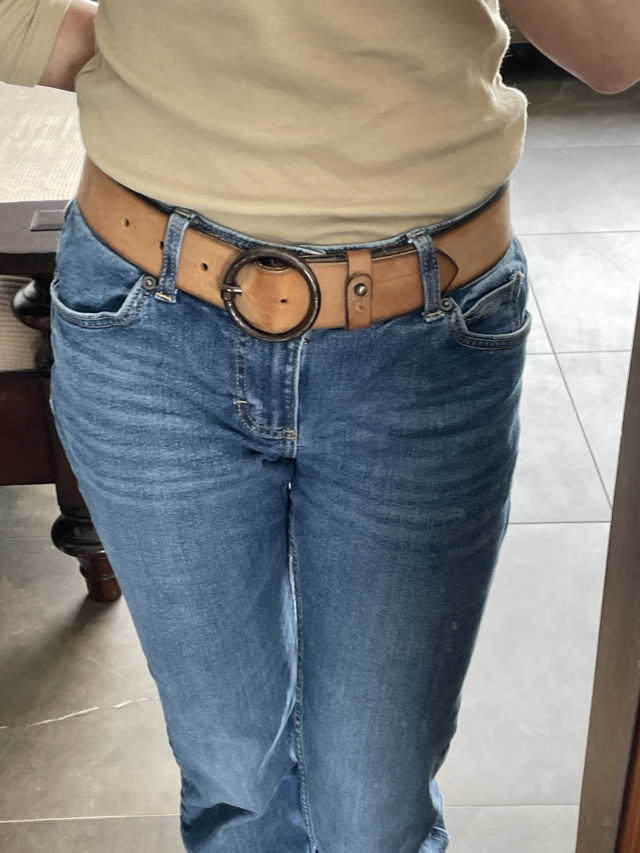
The Pip belt in cognac full-grain leather, worn at the waist with jeans
The Pip: made from one solid strap of full-grain leather.

Somewhere in your closet, old belts tend to end up in the same place: a drawer, a shelf, a hook behind the door.

You know the ones. The black belt with worn edges. The brown one whose surface started to peel. The one with the good buckle, set aside because the strap tore at the holes.

Five worn-out belts laid flat: cracked edges, a peeling surface, a strap torn at the holes, a good buckle on a ruined strap, a belt splitting into layers
Five common ways a belt can wear out over time. Illustration.

Maybe you kept them out of a vague sense that you should have taken better care of them.

But in many cases, the issue is not simply how a belt was worn. The materials and the way it was made can make certain kinds of wear more likely over time.

To see why, start with two words often stamped on the back: genuine leather.

The material matters

"Genuine leather" tells you less than you might think

The phrase sounds reassuring. It tells you that real leather is used, but not what type of leather it is or how the belt is made. Both can influence how a belt looks, feels and wears over time.

Full-grain leather. The natural outer layer of the hide is left intact, preserving its grain, strength and character. With wear, full-grain leather tends to soften, darken and develop a natural patina.

Other types of leather. Leather can also be made from lower layers of the hide, finished with coatings, or combined with other materials. These methods can create a smooth and consistent appearance, but they generally wear differently from a solid full-grain strap.

That difference often becomes more visible over time. A full-grain strap tends to develop character as it ages, while coated or layered materials may show more visible surface wear, such as cracking, peeling or separation.

What the label should tell you

The distinction between leather types is not just a matter of terminology. The US Federal Trade Commission's guides for leather goods address how materials containing bonded or reconstituted leather should be described.

The guides state that material containing "ground, pulverized, shredded, reconstituted, or bonded leather" and that is not wholly hide should not be represented in a way that suggests it is wholly leather.

Screenshot of the FTC's leather guides with the line: should not be represented, directly or by implication, as being leather, highlighted
The FTC's Guides for Select Leather and Imitation Leather Products. Highlight ours.

Other belt constructions

The cut edge of a bonded belt: a thin coating peeling away from ground leather fibres over a fabric core

One solid strap of full-grain leather

The cut edge of a full-grain belt: one solid piece of leather from top to bottom
Layered straps can separate over time. A single full-grain strap is one solid piece of leather that naturally darkens and develops character with wear.
Close-up of the full-grain leather surface of the Pip belt
A close-up of the Pip's full-grain leather in cognac.
Why it keeps happening

The $30 belt next to the $60 jeans

If some belts simply aren't made for long-term wear, why are they still so common?

Because a belt is often an afterthought. Next to a $60 pair of jeans, a $30 belt feels like an easy choice. It looks good on day one, and day one is when you decide.

Over time, it may crack, peel or simply wear out. At that price, replacing it feels easier than thinking much about why it happened.

Replace often, or buy for longer wear: four $30 belts bought again and again, against one $85 belt worn over time Replace often Buy for longer wear $30$30$30$30 +++... $85 worn over time
Illustrative. Replace more often, or invest in one well-made belt and wear it for longer.
A better-made belt changes the equation.
A different way to make a belt

Built to last, from the start

Amsterdam Heritage was founded in 2016 by Dutch entrepreneur Frido van Mossel around a simple idea: buy well, wear it for years, and pass the good pieces down.

Making things this way takes more. The belts featured here are crafted in the Netherlands from premium full-grain leather, often in small batches and, in many cases, to order.

A craftsman's hands cutting a belt strap from a full hide on a wooden bench, edge tools and offcuts around
Cutting a belt strap from a full hide. Illustration.

The same principles can help you evaluate any belt.

Before you buy

What to look for in a well-made belt

  1. Good leather

    Look for clear information about the leather used. Natural variations, texture and finishing can all be part of the character of real leather. The belts featured here are made from quality full-grain leather.

    Natural full-grain leather with irregular pores beside a coated surface with a repeating stamped pattern Left: the natural surface of full-grain leather. Right: a coated and embossed finish.
  2. How the strap is made

    How a belt strap is made affects how it feels, wears and ages over time. Many of the belts featured here are cut from a solid strap of full-grain leather.

    Cut edges of three belts: one solid strap, one layered with a paper core, one bonded A single full-grain strap, compared with different layered belt constructions.
  3. Quality hardware

    The buckle plays an important part in how a belt feels and wears. Look for a buckle that moves smoothly and sits naturally on the strap. The buckles featured here are made from solid metal in Italy and nickel-free.

    A round metal buckle held between finger and thumb A solid metal buckle.
  4. Careful finishing

    Look at the small details: the finishing, the stitching and the way the buckle is attached. Clean, secure finishing is a good sign of the care that went into making the belt.

    The buckle fold of a leather belt showing the stitch line and burnished edge Carefully finished details on a leather belt.
  5. Know what you're buying

    Look for clear information about the leather, the way the belt is made and how to care for it. Good product information makes it easier to understand the quality and value of what you're buying.

Who this belt is made for

A belt designed to stay in your wardrobe

If you like changing your belts with the seasons and trends, a long-wearing leather belt may simply not be what you are looking for.

Amsterdam Heritage belts are made for a different role: the belt you reach for again and again, with jeans on Tuesday and a dress on Saturday. Something that becomes part of your wardrobe rather than something you replace with the next trend. If that is what you are looking for, here is what to look for before you buy.

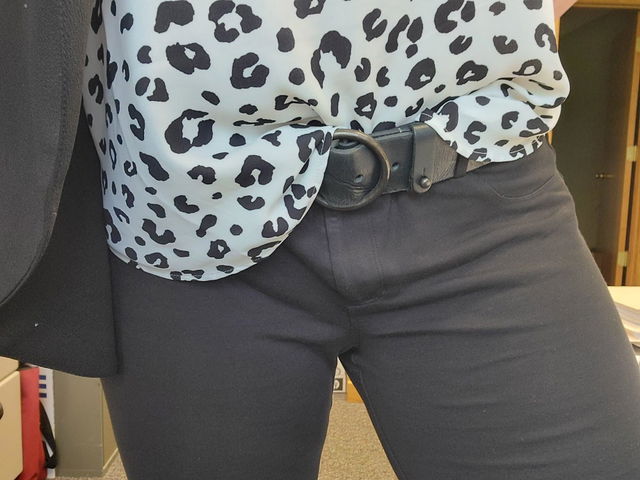
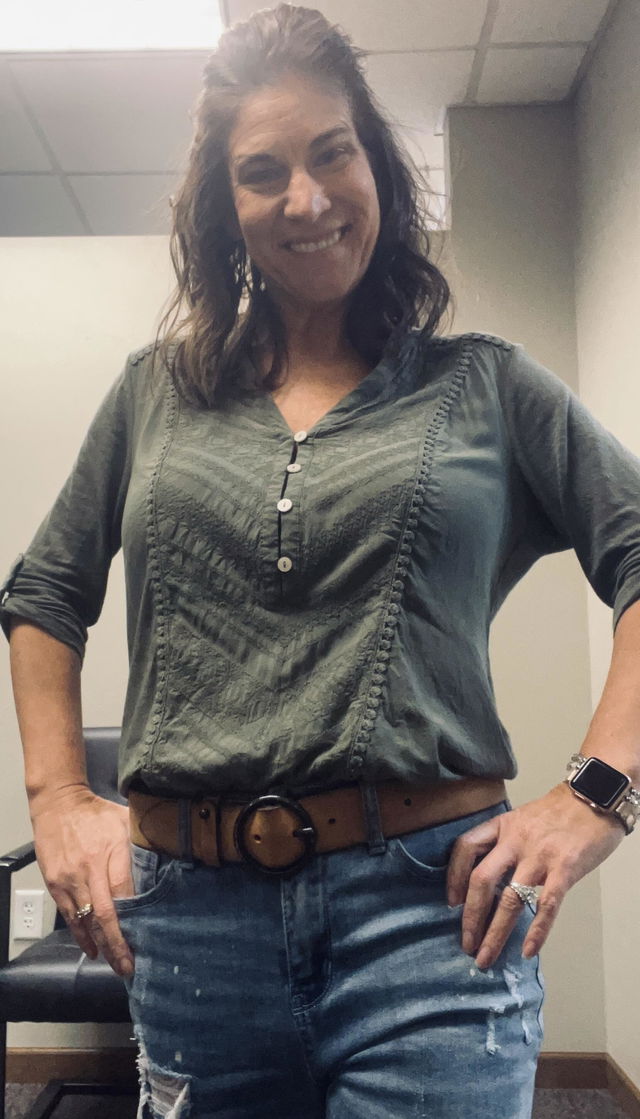
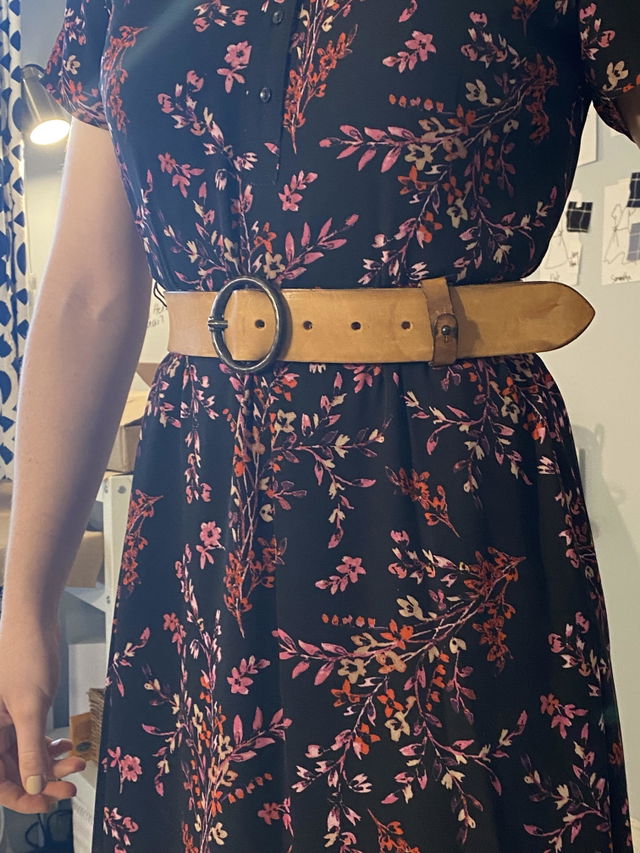
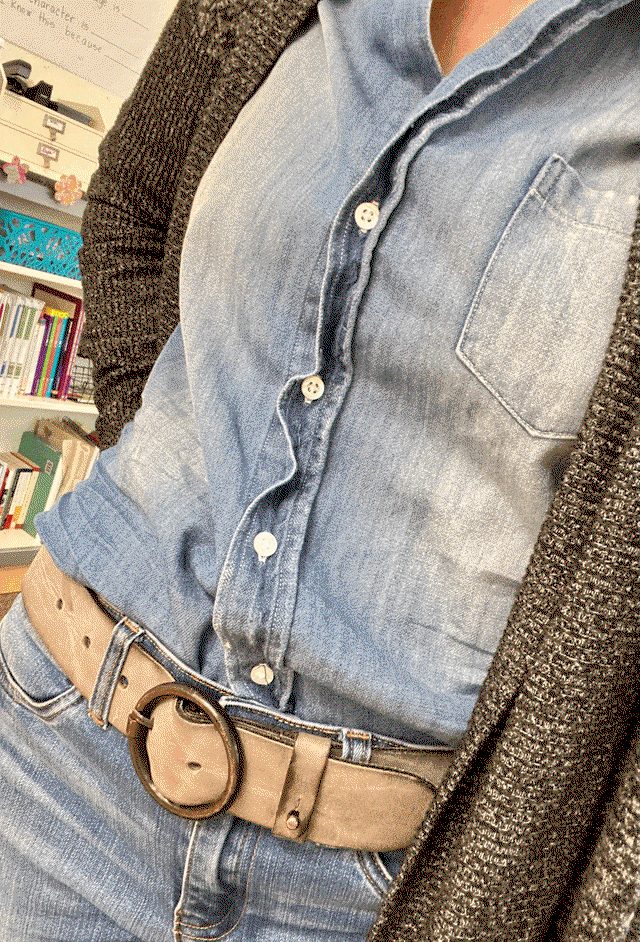
The Pip belt worn on a model

The Pip, made to be worn again and again.

Where to start

Three full-grain belts to start with

All three are made from a single strap of full-grain leather and are included in our Belt Set Deal: choose two and get 20% off the second.

Dieke classic leather belt with silver buckle in black

Dieke

$75

The quiet classic: clean lines, silver buckle and full-grain Italian leather.

Shop Dieke
Alie skinny leather belt in camel

Alie

$65

A skinny dress belt in full-grain Italian leather.

Shop Alie
The honest math

What goes into an $85 belt?

A whole tanned hide laid flat on a cutting table, seen from above, with four belt straps cut from the straight back section
Only a limited number of long belt straps can be cut from a single hide. Illustration.
  • Premium full-grain leather

    A solid strap of full-grain leather, chosen for its natural character and the way it develops with wear.

  • Skilled craftsmanship

    The belts featured here are made in the Netherlands by skilled craftsmen, with careful cutting, edging and finishing.

  • Solid metal hardware

    Solid metal buckles, made in Italy and nickel-free.

  • Small-batch production

    Many of the belts featured here are produced in small batches and, in some cases, made to order.

In their words

What do buyers say after wearing it?

A belt can look good on day one. What matters more is how it feels and holds up after it has been worn again and again. Since 2016, more than 60,000 customers have chosen Amsterdam Heritage. The reviews below are from verified buyers of the Pip, in their own words.

The Pip belt in cognac worn with jeans, outdoors
The Pip in cognac. Full-grain leather develops character with wear.
AH

Try it on. If the size isn't right, we'll make it right.

The hardest part of buying a belt online is choosing the right size. Start with our size guide. If the size isn't right when it arrives, your first exchange is on us.

  • 30 days to decide from the day your order arrives. Items must be unworn, with tags attached and in their original packaging.
  • One free exchange through our return portal, or a free exchange for store credit.
  • Naturally unique. Variations in the leather's grain and finish are part of its character.

"The belt I ordered was too short, and the exchange process was fast, free and seamless."

Jacky S. · Verified buyer · Pip
Current offer

20% off your second belt

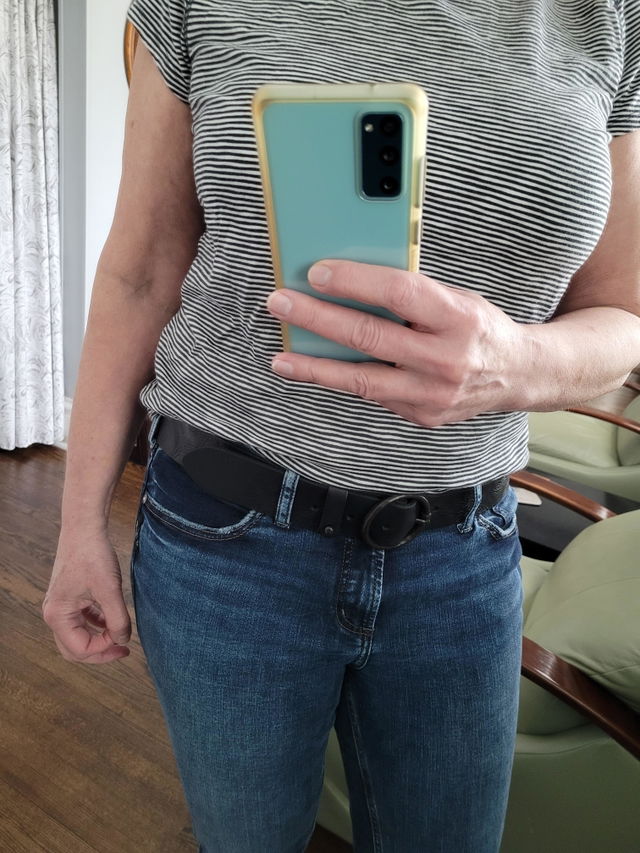
  1. Pick the belt you'll wear mostMany customers start with the Pip in cognac.
  2. Add a second in another colorBlack and cognac make a versatile pair.
  3. Save 20% on your second beltNo code needed. Add two eligible belts and the discount is applied automatically at checkout.
Pip, cognac$85
Dieke, black$75
20% off your second belt−$15
Two belts, delivered free$160  $145
Build your set 30-day returns and one free exchange. If the size isn't right, we'll make it right.

Common questions

Before you choose a belt

Full-grain leather keeps the natural grain surface of the hide intact. "Genuine leather" is a much broader term: it tells you that real leather is used, but not what type of leather it is or how it was finished.

Different types of leather also age differently. Full-grain leather tends to soften and develop more character with wear, while coated or layered leathers may show wear differently over time.

The Pip, Dieke and Alie are made from premium full-grain leather and crafted in the Netherlands.

Shop the Pip

The belts featured here are sized in centimeters, from XS-75 to XXL-110. For the best fit, measure a belt you already own from the buckle fold to the hole you use most. You can also measure around the place where you plan to wear the belt, over the clothing you would normally wear with it.

Open the size guide

Full-grain leather keeps the natural grain surface of the hide intact and tends to age gradually with wear, often becoming softer and developing more character over time.

Other leather types and layered constructions can wear differently and may show more visible surface wear over time. How long any belt lasts still depends on how often it is worn and how it is cared for.

Full-grain leather needs very little care. Keep it dry, wipe it with a soft cloth when needed, and use a leather conditioner occasionally to help keep it supple. Avoid soaking the leather or exposing it to direct heat.

Read our product care guide

Current store offer: Belt Set Deal, 20% off your 2nd belt. Free US shipping on orders over $75, $5 flat rate under $75.